Background
Two hundred years ago, Trenton became the first municipal water system in New Jersey. As the city grew into a manufacturing powerhouse, Trenton Water Works provided steady, reliable service to the large industrial customers and the growing workforce that flocked to the city.
However, like many East Coast industrial capitals, Trenton’s urban population dropped sharply after WWII as manufacturing jobs left the region, and families, businesses, and tax dollars moved to the suburbs. TWW expanded to serve a regional population in the 1950s at a time when the city's tax base was in sharp decline.
Beginnings
1804
Trenton Water Works, a private corporation, began to lay the city's first water mains and distribute water to residents and businesses.

1859
Trenton voters approved the purchase of TWW, making it the first municipality to own and operate a water system in New Jersey.

Industrial Powerhouse
1914
TWW constructed its first filtration plant on the Delaware River.

1917
The Lower Trenton Bridge first lights up with the slogan “Trenton Makes, The World Takes." Reliable water service supplies the steel mills, wire rope plants, rubber factories, and pottery works that drive the city's growth.

1939
The nation mobilized industrial production to support the war effort. Trenton manufacturers retooled quickly and thrived in the WWII economy.

Suburbanization and Decline
1950
Trenton's population peaked in 1950. After the war, the urban population declined sharply as manufacturing jobs left the region.

1955
TWW dedicated its new, $3.5 million filter plant on the Delaware River, the first major capital project since 1914. Funding for millions in upgrades to the regional distribution network was contested between the city and surrounding townships.

1959
To address water shortages in the rapidly growing suburbs, TWW erected tanks in White Horse, Mercerville, Lawrence, and Ewing Townships.

1960s
The purchase of Trenton manufacturers by large, international corporations slashed jobs and relocated facilities outside of the city. Meanwhile, residents with resources flocked to new developments in Ewing, Hamilton, and Lawrence Townships, further weakening Trenton's tax base.

1975
A valve malfunction at TWW's filtration plant triggered a cascade of failures that flooded the plant and drained the main reservoir. This system collapse cut off water service to 200,000+ people for nine days.
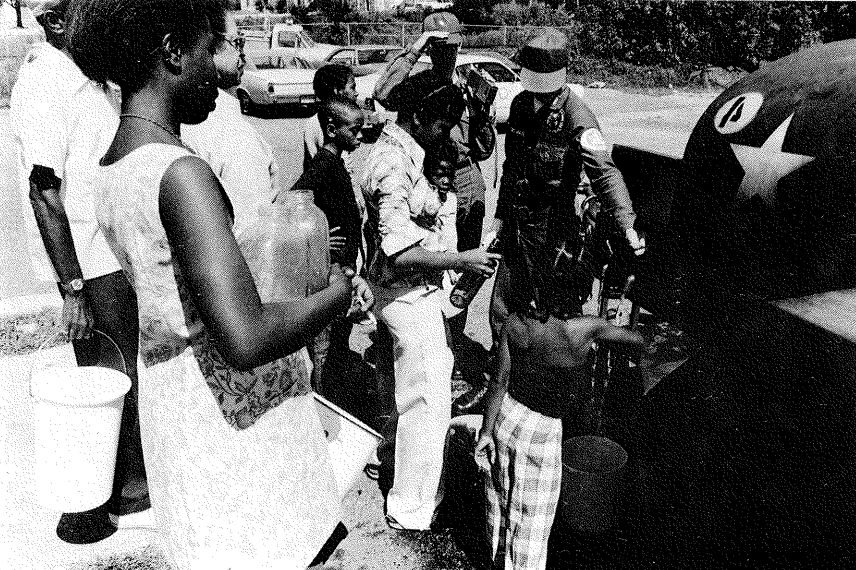
1976
An NJDEP analysis of the crisis blamed maintenance failures on chronic underfunding by both Trenton politicians and voters, and pointed to the need for a regional water utility.

More Customers, More Scrutiny
2004
The NJ Fair Housing Act Uniform Housing Affordability Controls (UHAC) were adopted, boosting dense housing developments in TWW's suburban service area. For the first time, the majority of TWW's customers were outside the city limits.

2010
Trenton voters rejected an attempt, championed by Mayor Douglas Palmer, to sell TWW’s suburban assets to private operator American Water.

Compliance Struggles
2018
Repeated boil water advisories, service interruptions, and lack of notifications prompted elected officials to urge the state to step in and take over Trenton Water Works.

2022
NJDEP took the extraordinary step of issuing a unilateral administrative oversight (UAO) order to TWW due to public health concerns.

2024
Third-party assessments labeled TWW as “extremely high risk” for systemic failure.

2025
The mayors of all five municipalities served by TWW, along with state legislators, declared TWW’s challenges a regional crisis in need of a regional solution. NJDEP hired the Hazen team to evaluate potential governance models for a new regional utility.
